If you follow mortgage rates, the stock market, or the economy in general, you’ve probably heard people talk about “the Fed,” interest rate cuts, interest rate hikes, inflation, and jobs.
But what does Federal Reserve policy actually mean? And how does it affect mortgage rates, real estate, and the broader economy?
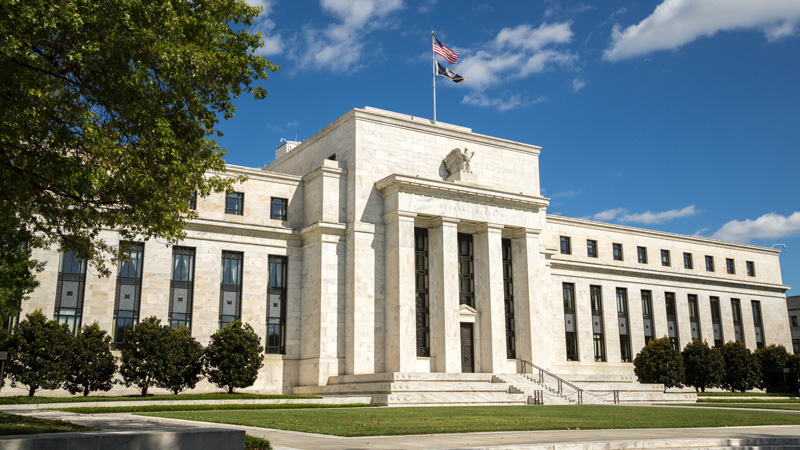
What Is the Federal Reserve?
The Federal Reserve, often called “the Fed,” is the central bank of the United States. Its main job is to help keep the economy stable. The Fed does this by influencing interest rates, inflation, employment, and overall financial conditions.
The Federal Reserve is overseen by the Federal Reserve Board of Governors, which is the central leadership body of the Fed system. The Board consists of seven members who are nominated by the President of the United States and confirmed by the U.S. Senate. These governors help guide monetary policy, oversee the banking system, and monitor the health of the overall economy. One of the governors serves as the Chair of the Federal Reserve, who acts as the primary public voice of the Fed and plays a major role in shaping interest rate policy and economic strategy.
The Fed Has Two Main Goals
The Fed has what is called a “dual mandate.” That simply means it has two major responsibilities: Keep inflation under control and support a strong job market.
1. Keep Inflation Under Control
Inflation means prices are rising. A little inflation is normal, but too much inflation makes everyday life more expensive. When inflation is too high, the Fed may raise interest rates to slow the economy down. Higher rates make borrowing more expensive, which can reduce spending and help cool inflation.
2. Support a Strong Job Market
The Fed also wants a healthy job market where people who want jobs can generally find them. If the economy weakens and unemployment rises, the Fed may lower interest rates to encourage borrowing, spending, business growth, and hiring.
How the Fed Influences Interest Rates
The Fed directly controls a short-term interest rate called the federal funds rate. This is the rate banks charge each other for overnight lending.
Consumers do not borrow directly at the federal funds rate, but this rate influences many other types of borrowing costs, including credit cards, auto loans, home equity loans, business loans, and savings account yields. It also indirectly affects mortgage rates.
The Fed Does Not Directly Set Mortgage Rates
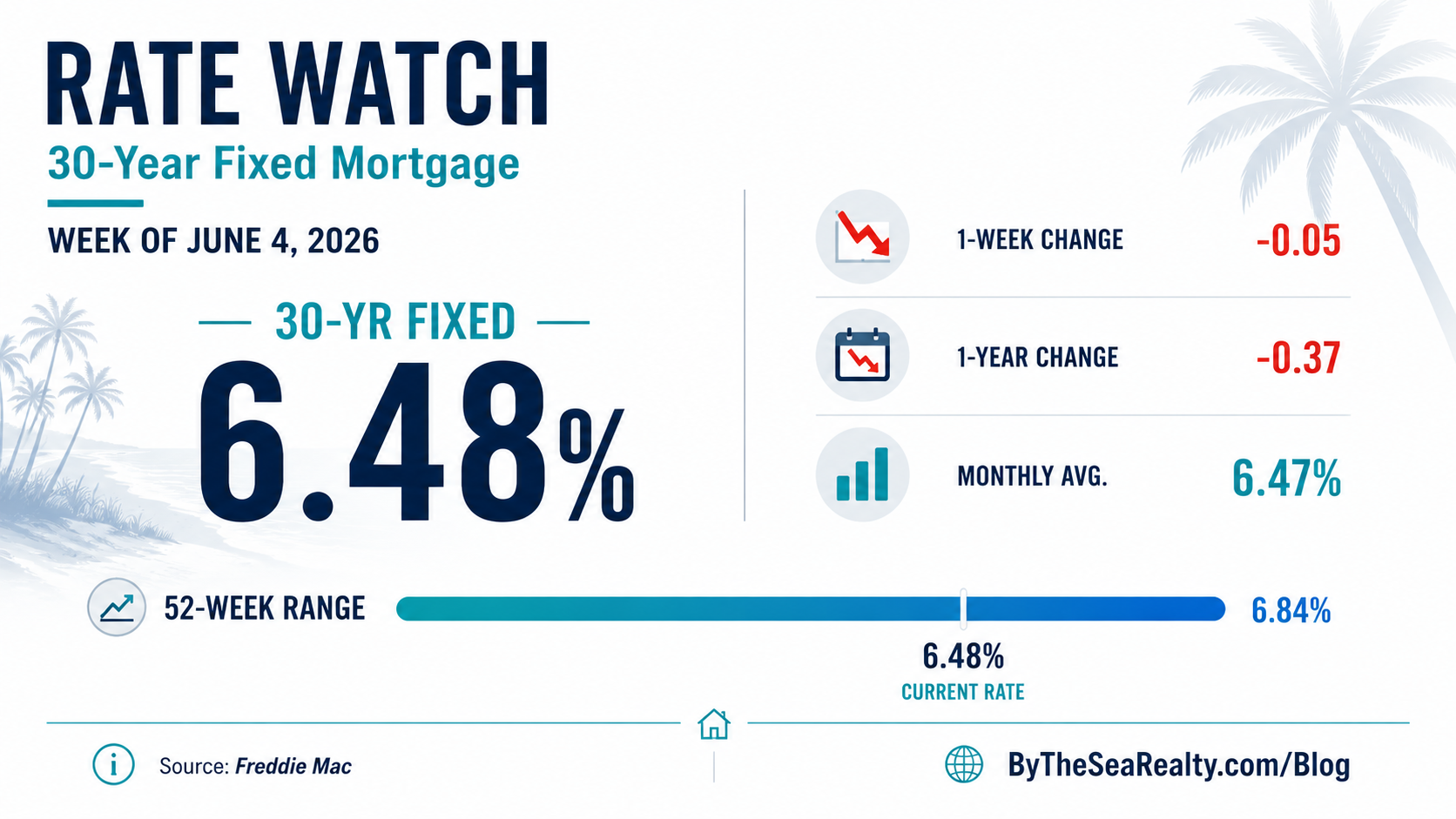
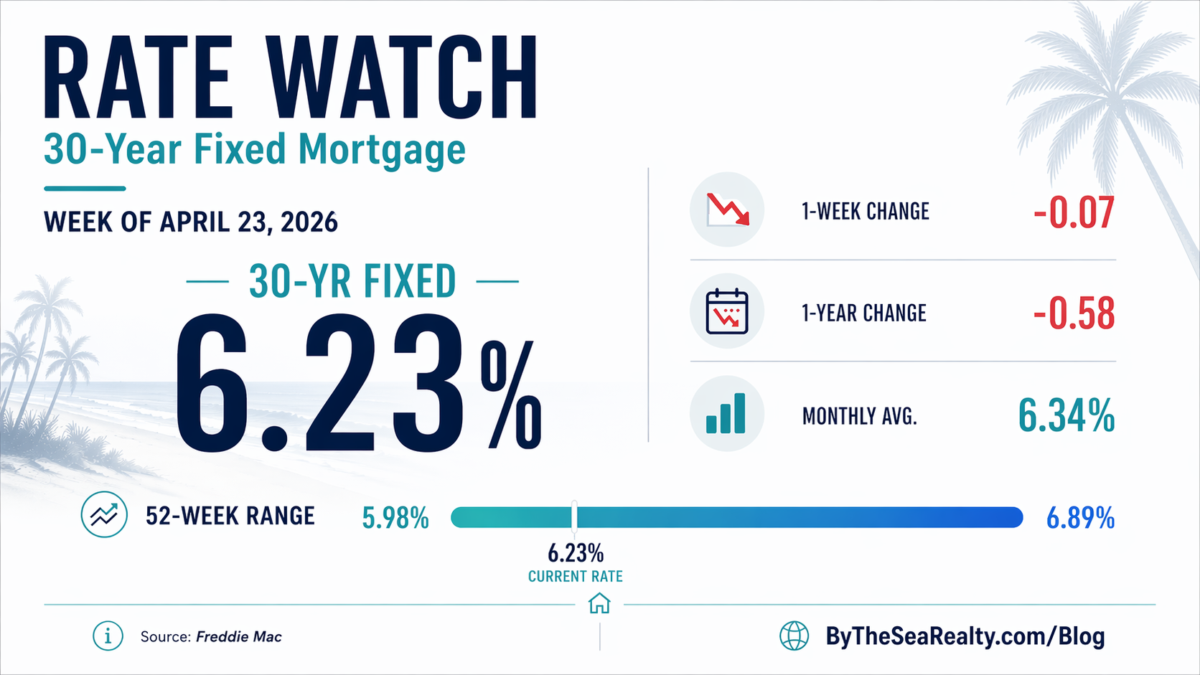
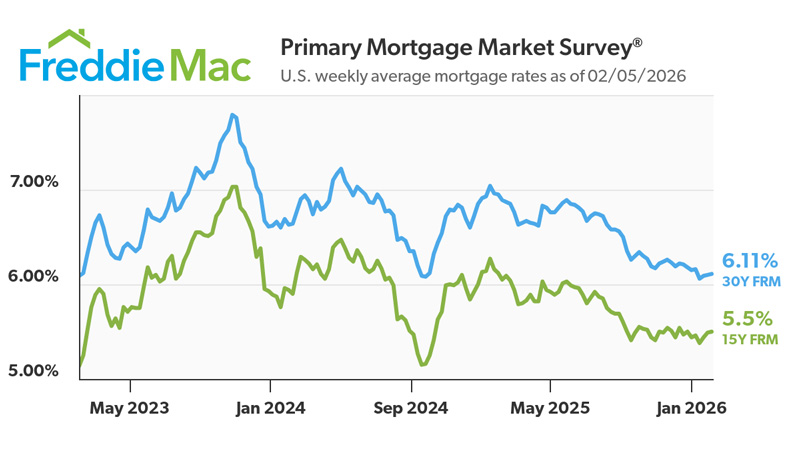
This is one of the biggest misconceptions. The Federal Reserve does not directly set 30-year mortgage rates. Mortgage rates are more closely tied to the bond market, especially the 10-year U.S. Treasury yield.
However, Fed policy strongly influences the bond market, inflation expectations, and investor confidence. That is why Fed decisions can have a major impact on mortgage rates.
Why Inflation Matters for Mortgage Rates
Inflation is one of the biggest drivers of long-term interest rates. When inflation is high, investors usually demand higher returns. That pushes bond yields higher, and mortgage rates often rise with them.
When inflation cools, investors may become more comfortable accepting lower returns. That can help bond yields fall, which can also help mortgage rates move lower.
How the Job Market Affects Interest Rates
The job market also plays a major role in Fed policy. A very strong job market can lead to more spending, higher wages, and more inflation pressure. If that happens, the Fed may keep interest rates higher for longer.
If the job market weakens, spending may slow and inflation pressure may ease. In that case, the Fed may eventually lower rates to support the economy.
Hawkish vs. Dovish Fed Policy
You may hear people describe the Fed as either “hawkish” or “dovish.” These are simple ways to describe the Fed’s policy direction.
Hawkish Fed Policy
A hawkish Federal Reserve generally prefers higher interest rates and tighter financial conditions in order to slow inflation and cool down the economy. This type of policy can put pressure on stocks and the housing market because borrowing becomes more expensive for consumers and businesses. As a result, mortgage rates and other borrowing costs often remain elevated for a longer period of time.
Dovish Fed Policy
A dovish Federal Reserve generally prefers lower interest rates in order to support economic growth and employment. Lower rates encourage borrowing, investing, consumer spending, and business expansion throughout the economy. Dovish policy can also help support housing demand by improving affordability and making mortgage financing more attractive. As a result, borrowing costs, including mortgage rates, may move lower or remain relatively affordable.
What Is Neutral Fed Policy?
Neutral Fed policy means interest rates are neither helping speed up the economy nor slowing it down. If rates are below neutral, policy is considered stimulative. If rates are above neutral, policy is considered restrictive.
The challenge is that the neutral rate cannot be measured directly. The Fed has to estimate it based on inflation, employment, economic growth, productivity, and financial conditions. The current median estimate of the “neutral rate” among fed chairman is 3%.
Why Mortgage Rates Sometimes Move Before the Fed Acts
Mortgage rates are forward-looking. That means they often move based on what investors expect the Fed to do next. If investors believe the Fed will keep rates high, mortgage rates may rise before the Fed actually does anything. If investors believe rate cuts are coming, mortgage rates may fall before the Fed officially cuts rates. In many cases, the market moves first and the Fed follows later.
How Fed Policy Affects Real Estate
Federal Reserve policy has a major impact on housing affordability and buyer demand.
When Rates Are Higher
When mortgage rates rise, monthly mortgage payments increase, which can reduce buyer affordability and limit how much home some buyers can comfortably purchase. As borrowing costs rise, some buyers may pause their home search or delay purchasing altogether. Higher rates can also slow overall home sales activity and create a more price-sensitive environment where sellers may need to price their properties more carefully to attract buyers.
When Rates Are Lower
When mortgage rates decline, monthly mortgage payments become more affordable, which can improve overall buyer affordability and purchasing power. Lower borrowing costs may increase buyer demand by allowing more consumers to qualify for mortgage financing. As affordability improves, housing activity and home sales may strengthen, while refinancing activity often increases as homeowners look for opportunities to reduce their monthly payments or loan costs.
That said, mortgage rates are only one part of the housing market. Inventory, insurance costs, local job growth, consumer confidence, and neighborhood demand also matter.
The Bottom Line
The Federal Reserve does not directly set mortgage rates, but its policies strongly influence the interest rate environment. The Fed watches inflation and the job market, then adjusts policy to help keep the economy balanced. Those decisions affect the bond market, investor expectations, borrowing costs, and ultimately mortgage rates.
For homebuyers, sellers, and homeowners, understanding Fed policy can make it easier to understand why mortgage rates move, and how those changes may affect real estate decisions.