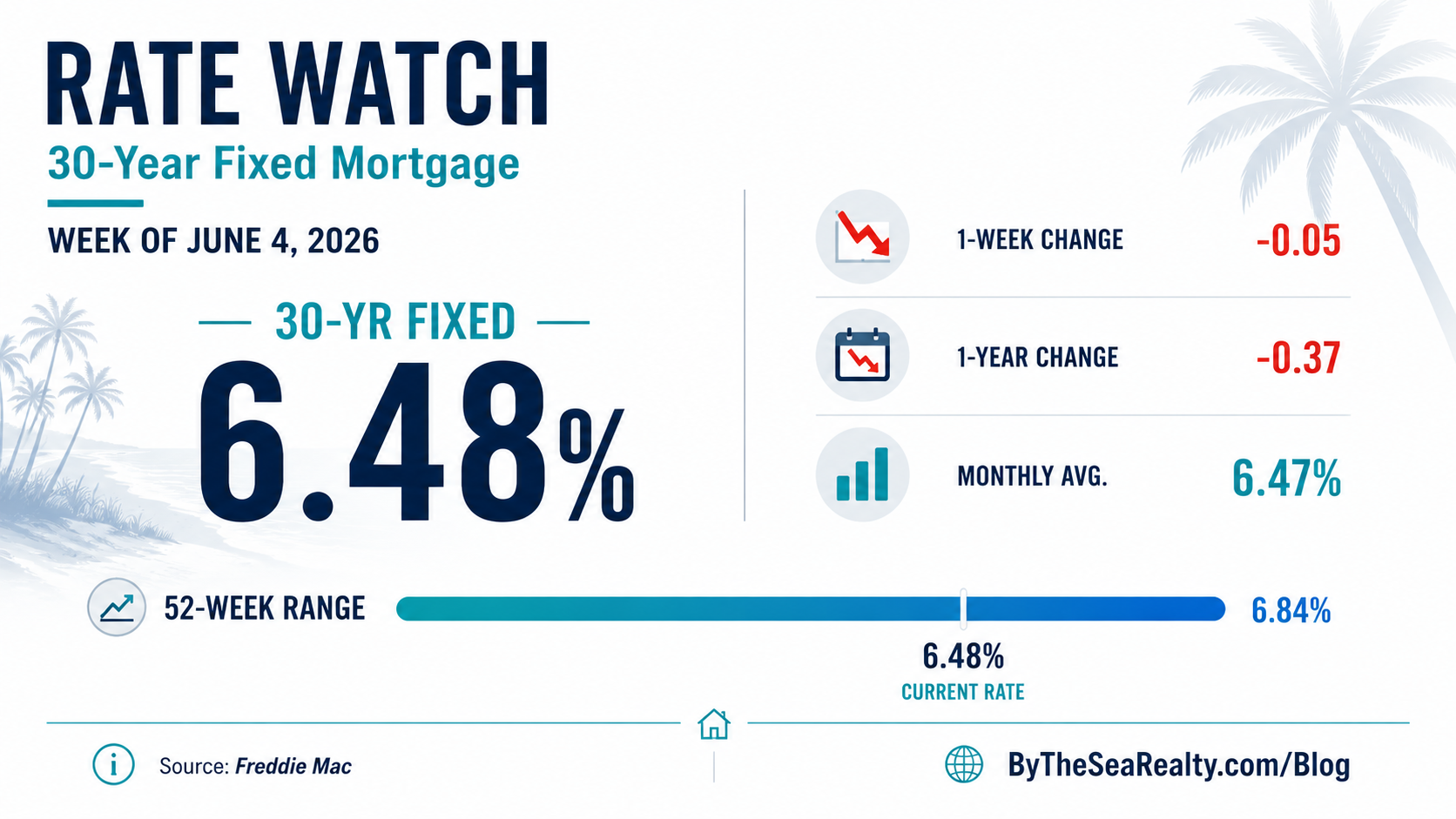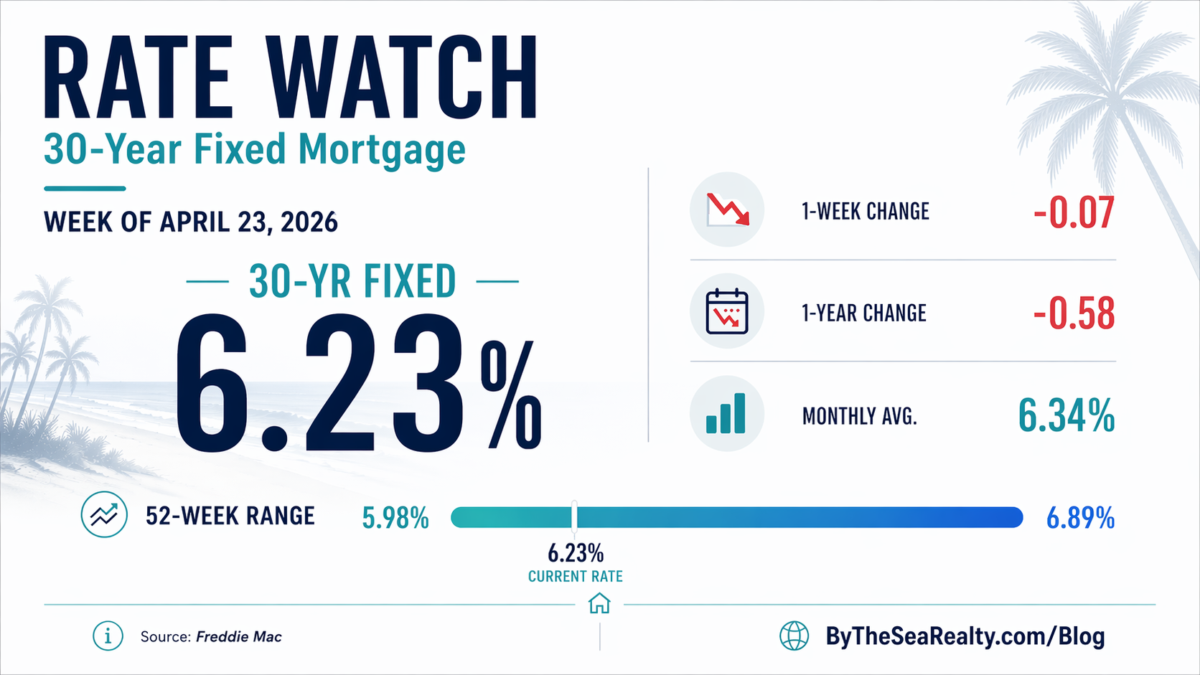
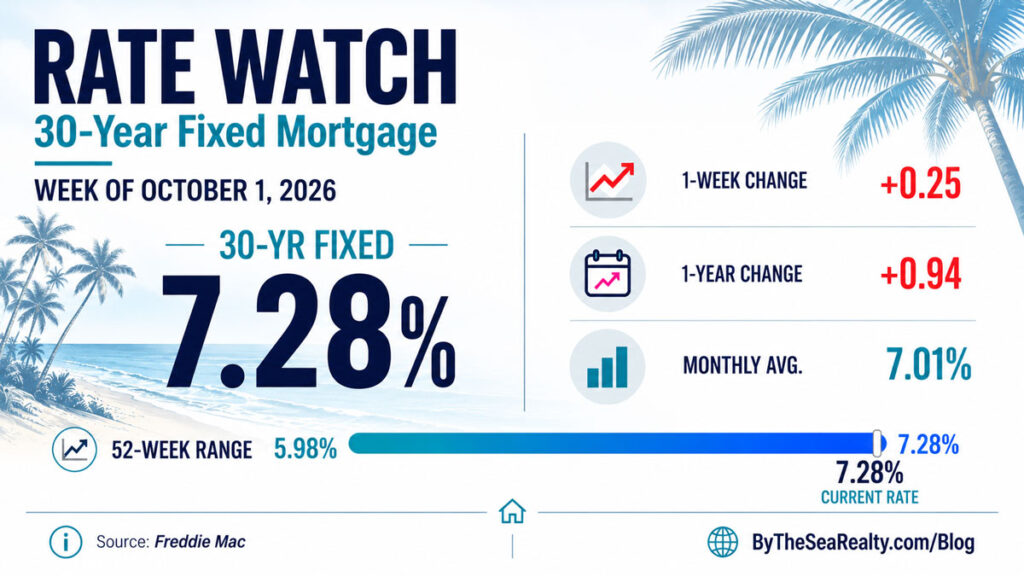
Mortgage rates have moved higher again, with the average 30-year fixed mortgage reaching 7.28% in early October. For buyers who became accustomed to much lower rates, that number can certainly get your attention. But higher rates don’t necessarily mean it’s a bad time to buy, especially in South Florida.
Interest Rates Are Only One Part of the Housing Market
Mortgage rates affect affordability, but they are only one of many factors that influence our local real estate market. South Florida is a unique market driven by inventory levels, population and migration trends, cash buyers, new construction and continued demand for coastal property. Higher rates can influence buyer behavior, but they don’t automatically result in falling home prices, rising inventory or declining sales.
Cash Is King in South Florida
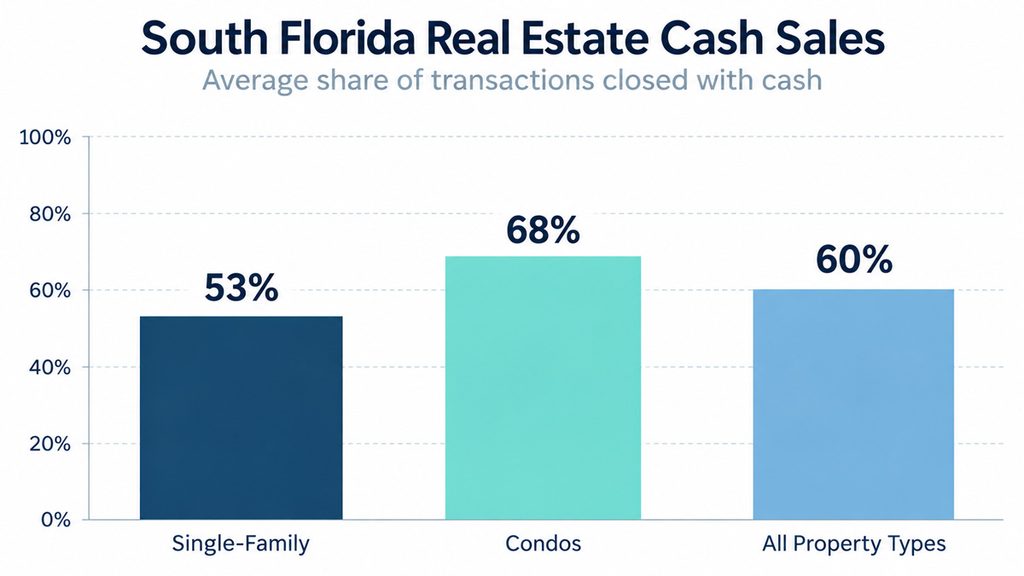
Cash buyers play a much larger role in South Florida real estate than they do nationally. Nationwide, cash purchases account for about 28% of home sales on average, while in South Florida, cash transactions have represented approximately 60% of all real estate sales across all property types since 2010. The share is even higher in the condominium market, where about 68% of sales have been cash purchases, compared with approximately 53% for single-family homes. This unusually high level of cash activity helps distinguish South Florida from many other housing markets and can reduce the overall market’s sensitivity to changes in mortgage interest rates.
A 30-Year Fixed Mortgage Isn’t the Only Option
When rates rise, financing strategy becomes increasingly important. Buyers may have several options worth discussing with their lender and real estate agent.
Mortgage Buydowns – Buyers, sellers or builders may be able to pay points to permanently reduce the interest rate or use a temporary buydown such as a 2-1 structure to lower payments during the first few years.
Adjustable-Rate Mortgages (ARMs) – An ARM may offer a lower introductory rate than a traditional fixed-rate mortgage and can make sense for buyers who don’t expect to keep the same loan for 30 years.
Balloon Financing – Certain loan structures offer lower payments or rates for a specified period with the remaining balance due later. These can be useful in the right circumstances but require careful planning for the eventual payoff or refinancing.
Seller Financing – In some transactions, the seller may be willing to finance part or all of the purchase. Terms are negotiable and can sometimes provide buyers and sellers with flexibility that conventional financing cannot.
Every option has advantages, costs and risks, so buyers should review the details with a qualified mortgage professional and, where appropriate, their attorney or financial advisor.
Focus on the Opportunity, Not Just the Rate
Waiting for mortgage rates to fall isn’t always the best strategy. If rates decline in the future, increased buyer competition could put upward pressure on prices and reduce negotiating leverage.
Today’s market may offer opportunities to negotiate the purchase price, seller concessions, closing costs or an interest-rate buydown. And if rates eventually decline, refinancing may be an option, although future rates can never be guaranteed.
Instead of asking whether rates are too high, buyers should ask whether they can structure a purchase that makes financial sense in today’s market.
If you’re considering buying or selling in Fort Lauderdale, Broward County or the surrounding South Florida market, contact By The Sea Realty. We can help you evaluate current market conditions, explore potential negotiating strategies and connect you with experienced mortgage professionals who can explain today’s financing options.