
Florida voters will consider a major change to the state’s property tax system in November 2026. The proposed constitutional amendment would eventually increase the homestead exemption to as much as $250,000 for many Florida residents, while also providing additional property tax protections for second homes, investment properties and other non-homestead real estate.
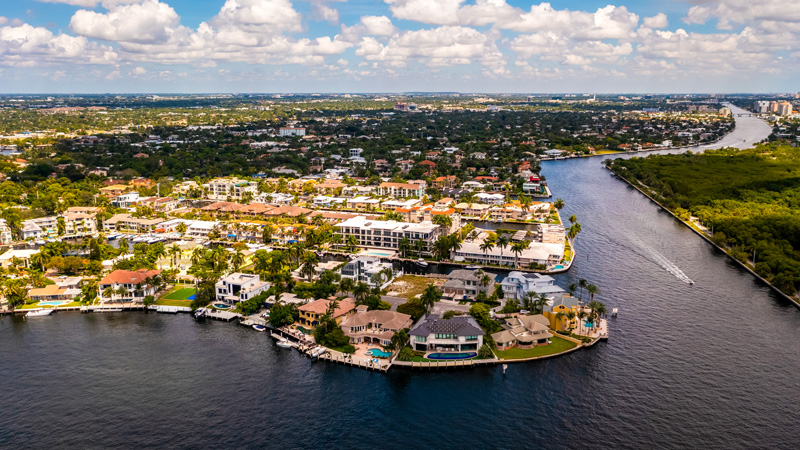
For South Florida homeowners, the potential savings could be significant. However, the proposal is more complicated than simply increasing the current homestead exemption. School taxes are treated differently, newer Florida residents would generally have to wait five years for the larger exemption, and a separate provision would reduce the annual assessment cap on non-homestead properties.
Here is what Florida homeowners and real estate buyers should know.
What Is Florida’s Proposed Homestead Exemption?
The Florida Legislature approved CS/HJR 1-F, known as “Save our Homes from Excessive Property Taxes,” during a special legislative session in June 2026. Because the proposal would amend the Florida Constitution, it must be approved by at least 60% of voters before taking effect.
If approved, Florida residents who maintained permanent residency in the state as of December 31, 2026 would receive a substantially larger homestead exemption from most non-school property taxes:
- 2027: Up to $150,000 of assessed value would be exempt from non-school property taxes.
- 2028: The exemption would increase to as much as $250,000.
- 2029 and beyond: The $250,000 exemption would begin adjusting upward for positive inflation.
This is a significant increase from Florida’s existing homestead exemption structure.
The $250,000 Exemption Would Not Apply to School Taxes
This is one of the most important details for homeowners to understand. The proposed $250,000 exemption would apply to non-school property taxes, including applicable county, municipal and other qualifying property taxes. It would not provide the same $250,000 exemption against school district taxes.
For example, consider a homesteaded property with an assessed value of $500,000. Once the proposal is fully implemented in 2028, as much as $250,000 of that assessed value could be exempt from non-school property taxes. The property would therefore have approximately $250,000 of taxable value for those levies.
School taxes would still be calculated separately using the applicable school district exemption. In other words, the proposal would substantially reduce property taxes for many homeowners, but it would not eliminate the entire property tax bill.
How Much Could a Fort Lauderdale Homeowner Save?
The actual savings would depend on the property’s assessed value, location and applicable millage rates. Using current Fort Lauderdale and Broward County tax rates as an illustration, an established homestead owner with an assessed value above $250,000 could potentially save in the range of approximately $2,000 to $3,000 per year once the larger exemption is fully implemented.
Using current rates, our savings estimate for a Fort Lauderdale homestead is approximately $2,400 per year.
| Assessed Value | Estimated Annual Savings | Approximate Reduction in Total Property Tax* |
|---|---|---|
| $300,000 | $2,400 | 50% |
| $500,000 | $2,400 | 28% |
| $750,000 | $2,400 | 18% |
| $1,000,000 | $2,400 | 14% |
| $2,000,000 | $2,400 | 7% |
One interesting feature of the proposal is that the approximate dollar savings would be relatively similar once a property’s assessed value exceeds the full exemption. However, the percentage reduction is much greater for moderately priced homes.
A homeowner with a $300,000 assessed value could potentially see a dramatic reduction in non-school property taxes, while a homeowner with a $2 million assessed value would receive roughly the same dollar exemption but a much smaller percentage reduction in the overall tax bill.
Market Value and Assessed Value Are Not the Same Thing
Another important distinction is that the exemption applies to a property’s assessed value, not necessarily its current market value. This can make a major difference in South Florida, particularly for longtime homeowners who have benefited from Florida’s Save Our Homes assessment limitation.
For example, a Fort Lauderdale waterfront home might have a current market value of $1.5 million but a Save Our Homes assessed value of only $600,000. The proposed homestead exemption would be applied against the assessed value used for property tax purposes, not simply the home’s current market value.
The combination of the Save Our Homes assessment cap and a larger homestead exemption could therefore provide substantial tax protection for longtime Florida homeowners.
New Florida Residents Would Be Treated Differently
One of the most significant, and less widely discussed, parts of the proposal is the distinction between established Florida residents and people who establish Florida residency beginning in 2027. Residents who maintained permanent Florida residency as of December 31, 2026 would be eligible for the larger exemption schedule.
Someone establishing Florida permanent residency on or after January 1, 2027 would initially receive up to a $50,000 non-school homestead exemption, subject to inflation adjustments. Under the proposal, the homeowner would generally become eligible for the larger exemption beginning with the fifth year of the homestead exemption.
What About Second Homes and Investment Properties?
Second-home owners and real estate investors would not qualify for the proposed $250,000 homestead exemption unless the property qualifies as their Florida homestead. However, another provision of the amendment could provide meaningful long-term tax protection for non-homestead property.
Florida currently limits annual assessment increases on qualifying non-homestead residential and nonresidential real property to 10%. The proposed amendment would reduce that annual assessment cap from 10% to 5%.
That could benefit owners of:
- Second homes
- Vacation properties
- Investment condos and rental properties
- Other non-homestead residential property
- Commercial and other qualifying nonresidential real estate
The immediate savings from the lower assessment cap may be relatively modest in some years. However, the benefit could become increasingly significant over time because assessment limitations can compound during periods of rising property values.
Could Cities and Counties Raise Tax Rates?
The potential homeowner savings are only one side of the equation. A larger homestead exemption could also significantly reduce the tax revenue available to cities, counties and other local taxing authorities. That could create substantial pressure on local government budgets.
Local governments could eventually respond through a combination of budget reductions, changes to millage rates, increased fees or assessments, or other adjustments. As a result, calculations based on today’s tax rates should be viewed as estimates rather than predictions of future tax bills.
What Happens Next?
The Florida Legislature has approved the proposed constitutional amendment, but Florida voters will make the final decision. The measure is scheduled for the November 2026 general election and requires approval from at least 60% of voters. If approved, the first phase of the new homestead exemption would take effect January 1, 2027, followed by the increase to $250,000 in 2028. Until voters approve the amendment, Florida homeowners should not assume these changes will take effect when estimating future property taxes.
The Bottom Line for Florida Homeowners
The proposed $250,000 homestead exemption could represent one of the most significant changes to Florida property taxes in years. For many established Florida homeowners, particularly those with moderately priced homes, the reduction in non-school property taxes could be substantial.
But the proposal is about more than the homestead exemption. The five-year waiting period for newer Florida residents, the reduction of the non-homestead assessment cap from 10% to 5%, and the potential impact on local government finances could all have important consequences for Florida real estate.
For South Florida property owners and buyers, understanding the difference between market value, assessed value, taxable value and homestead status will become even more important if the amendment is approved. Contact your By The Sea Realty agent to discuss your particular situation.
This article is provided for general informational purposes only and should not be considered legal, tax or financial advice. Florida property tax laws, exemptions, millage rates and the proposed constitutional amendment are subject to change. Property owners and buyers should consult the appropriate property appraiser, tax professional or attorney regarding their individual circumstances.